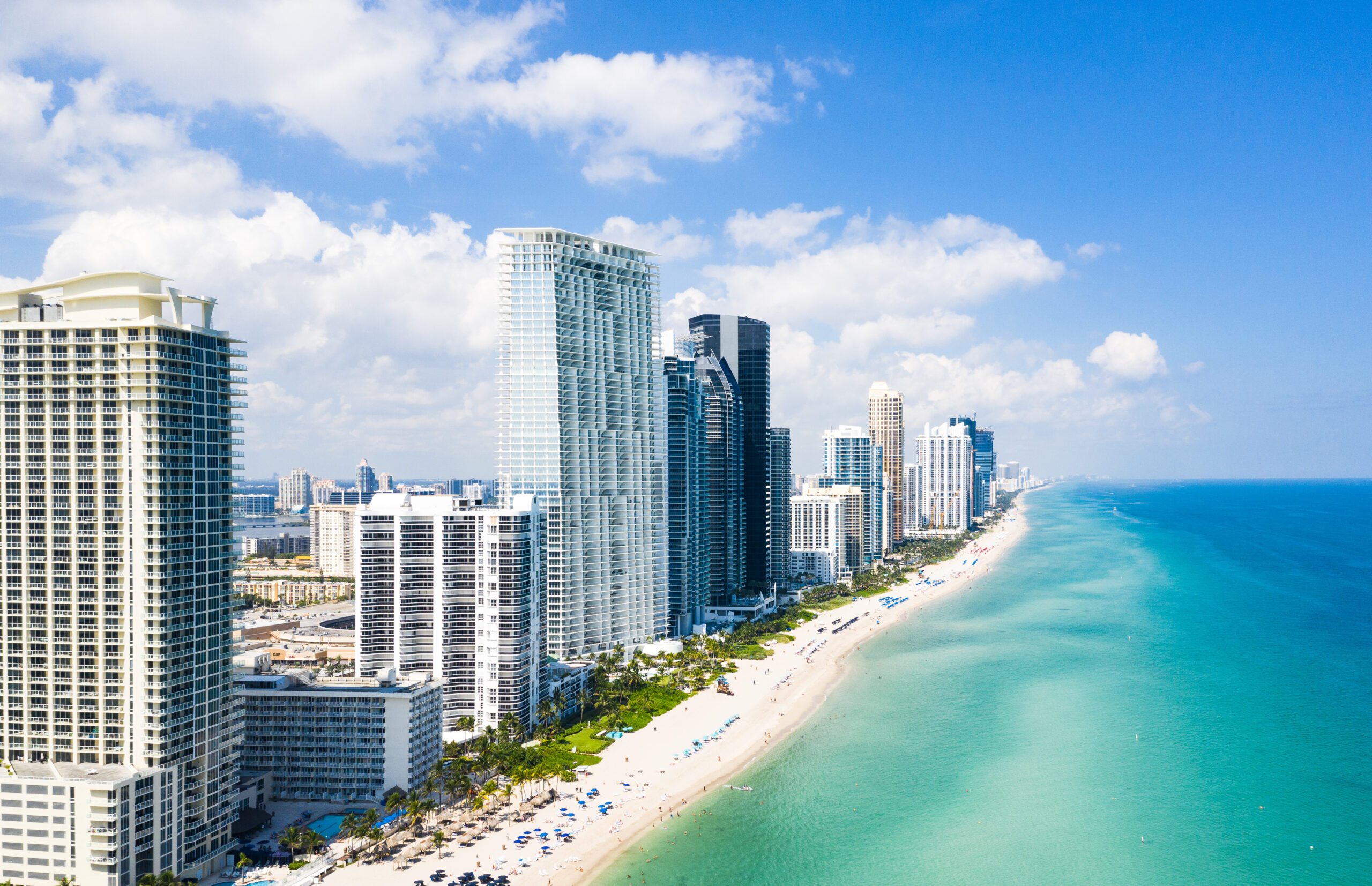
Nautilus Hotel at Miami Beach
Remote vibration monitoring to protect a historic hotel during construction
The Nautilus Hotel is a ten-story historic property in Miami Beach, Florida, located adjacent to a major construction site. As a well-known landmark, the hotel’s management was concerned that vibration from nearby excavation and structural work could compromise its integrity. Even minor structural shifts can have serious consequences for historic buildings, making proactive monitoring very important.
Historic buildings across the United States face similar risks when adjacent development occurs. Vibration monitoring is a proven method for protecting these structures.
Challenge: Adjacent construction threatens historic structure
The Nautilus Hotel remained operational while major construction occurred next door. Monitoring had to meet Florida Department of Transportation vibration thresholds while accommodating limited access, off‑peak installation windows and architectural constraints typical of historic buildings with confined and sensitive interior spaces.
Solution: Remote monitoring with FDOT thresholds
ECS Group of Companies delivered specialized geotechnical vibration monitoring services tailored to the hotel’s unique needs. Our team installed three vibration monitors at strategic locations throughout the building to capture real-time data on structural response. These monitors were calibrated to Florida Department of Transportation (FDOT) standards, which set a maximum vibration threshold of 0.5 inches per second for sensitive structures.
Monitoring was performed remotely, allowing ECS to track vibration levels continuously without requiring on-site personnel. If readings exceeded the threshold, ECS immediately notified the client so they could request the neighboring contractor to slow or halt work. This proactive approach reduced risk and provided the hotel with peace of mind during ongoing construction.
ECS’ approach demonstrates how technology can reduce risk while respecting operational constraints. This project serves as a model for balancing preservation with progress in urban environments.
Related Projects
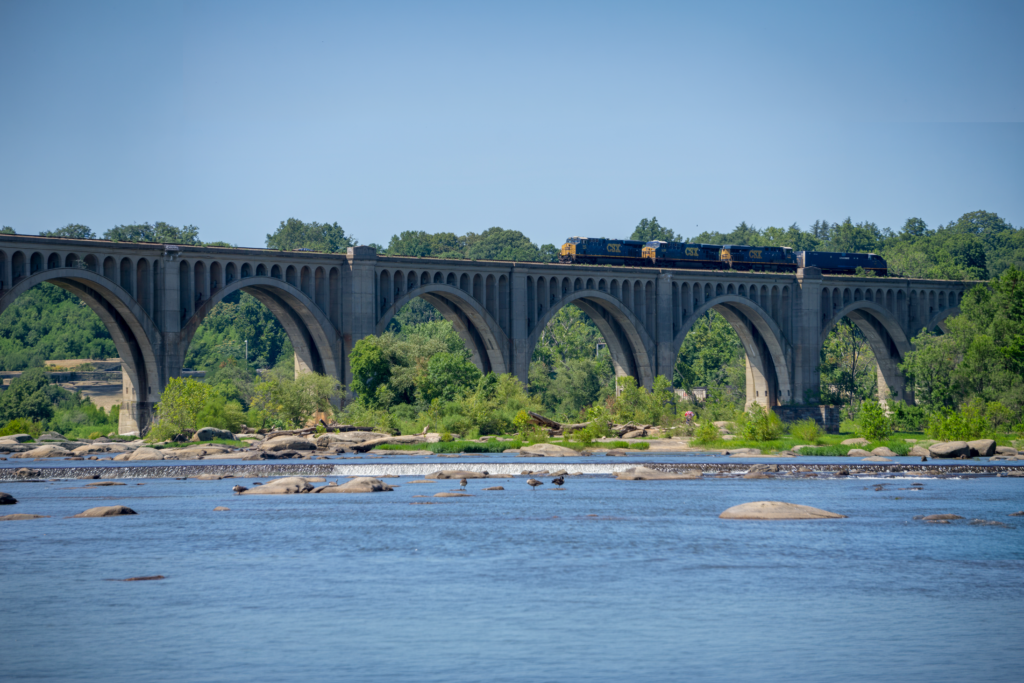
Virginia Passenger Rail Authority (VPRA)
Transforming Virginia’s Capital Projects Using Turnkey Environmental Solutions Virginia’s passenger rail expansion requires careful management of contaminated materials...
Learn More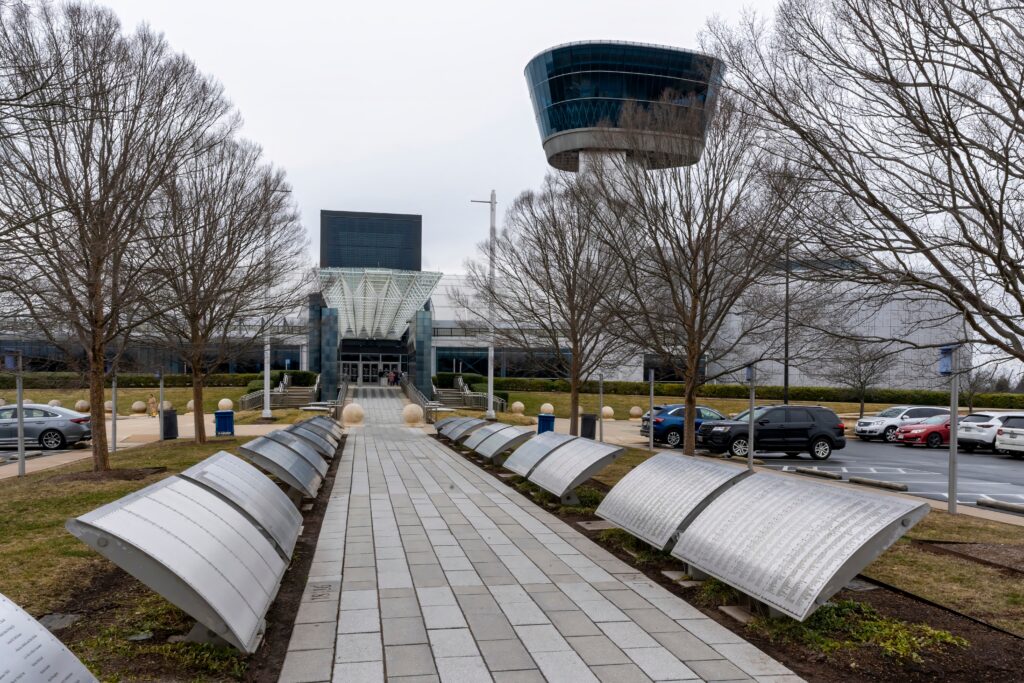
National Air and Space Museum on the National Mall
ECS serves as BECx provider for $1.3B building envelope renovation The Smithsonian Institution’s National Air and Space Museum...
Learn More
Loudoun County Health Department
Third-party hydrogeologic review for public health oversight Loudoun County, Virginia relies on private wells and groundwater systems to...
Learn More
Tarrant County College
Assessing 327 roofs across 2.5M square feet using drones Across eight campuses in Fort Worth, Texas, aging roofing...
Learn More
Keys Energy Center
Storm + groundwater remediation for power plant redevelopment near protected wetlands The proximity of the Keys Energy Center...
Learn More