
Structural Forensics Studies

How can ECS help when a structure shows signs of distress?

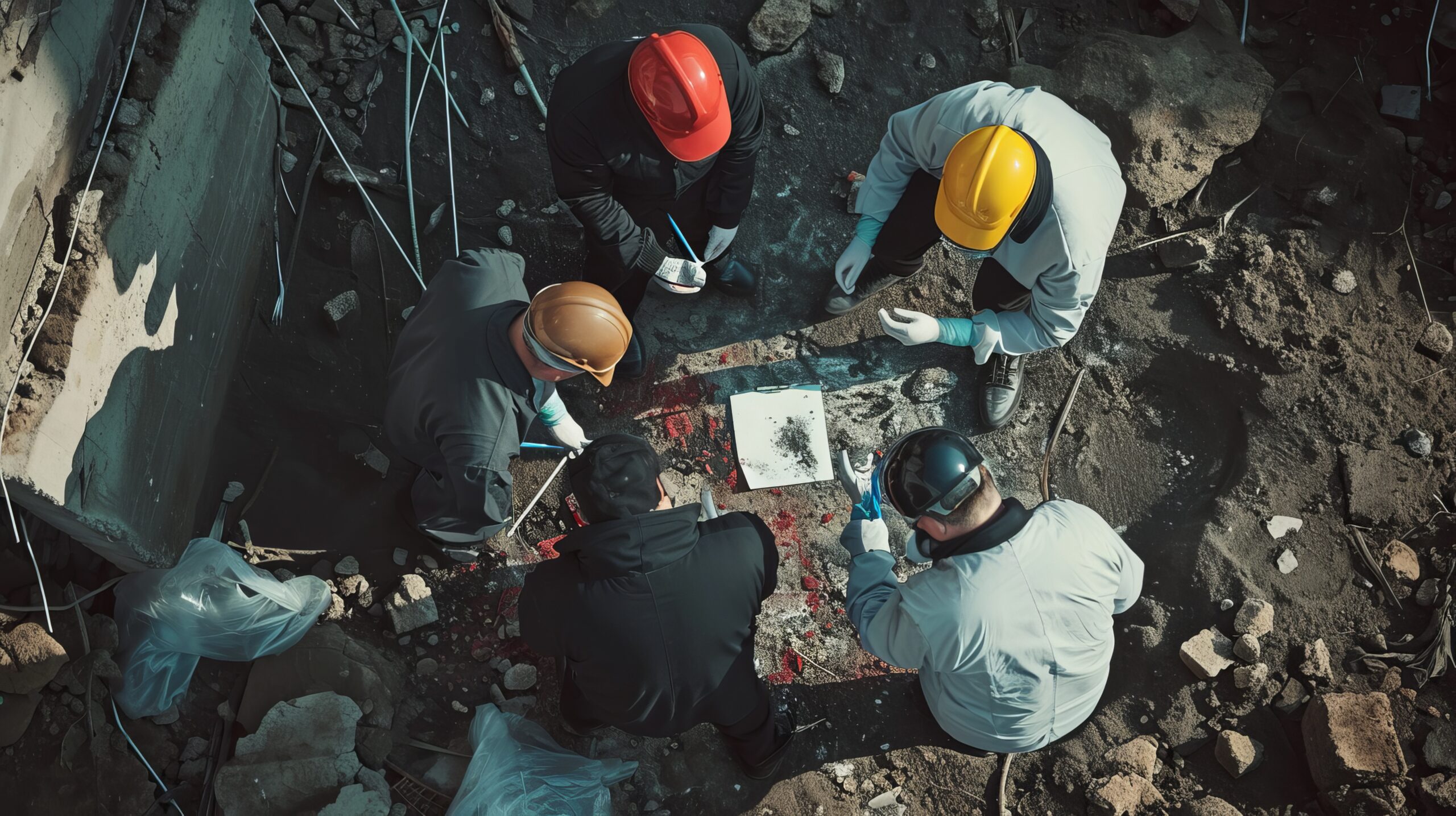
Testing and analysis of existing structures can be performed to assess their load carrying capacity, condition, cause for observed deficiencies or suitability for owner selected alterations. Structural forensics studies may include destructive or nondestructive testing, structural analysis and calculations or full-scale load testing. We have experience with building materials such as concrete, steel, masonry, aluminum and wood as well as many archaic structural systems.


TALK TO AN EXPERT

How can ECS help when a structure shows signs of distress?

Testing and analysis of existing structures can be performed to assess their load carrying capacity, condition, cause for observed deficiencies or suitability for owner selected alterations. Structural forensics studies may include destructive or nondestructive testing, structural analysis and calculations or full-scale load testing. We have experience with building materials such as concrete, steel, masonry, aluminum and wood as well as many archaic structural systems.


TALK TO AN EXPERT

What does a structural forensics study include?

What does a structural forensics study include?

  • Visual and hands-on observations by ECS Structural Engineering staff
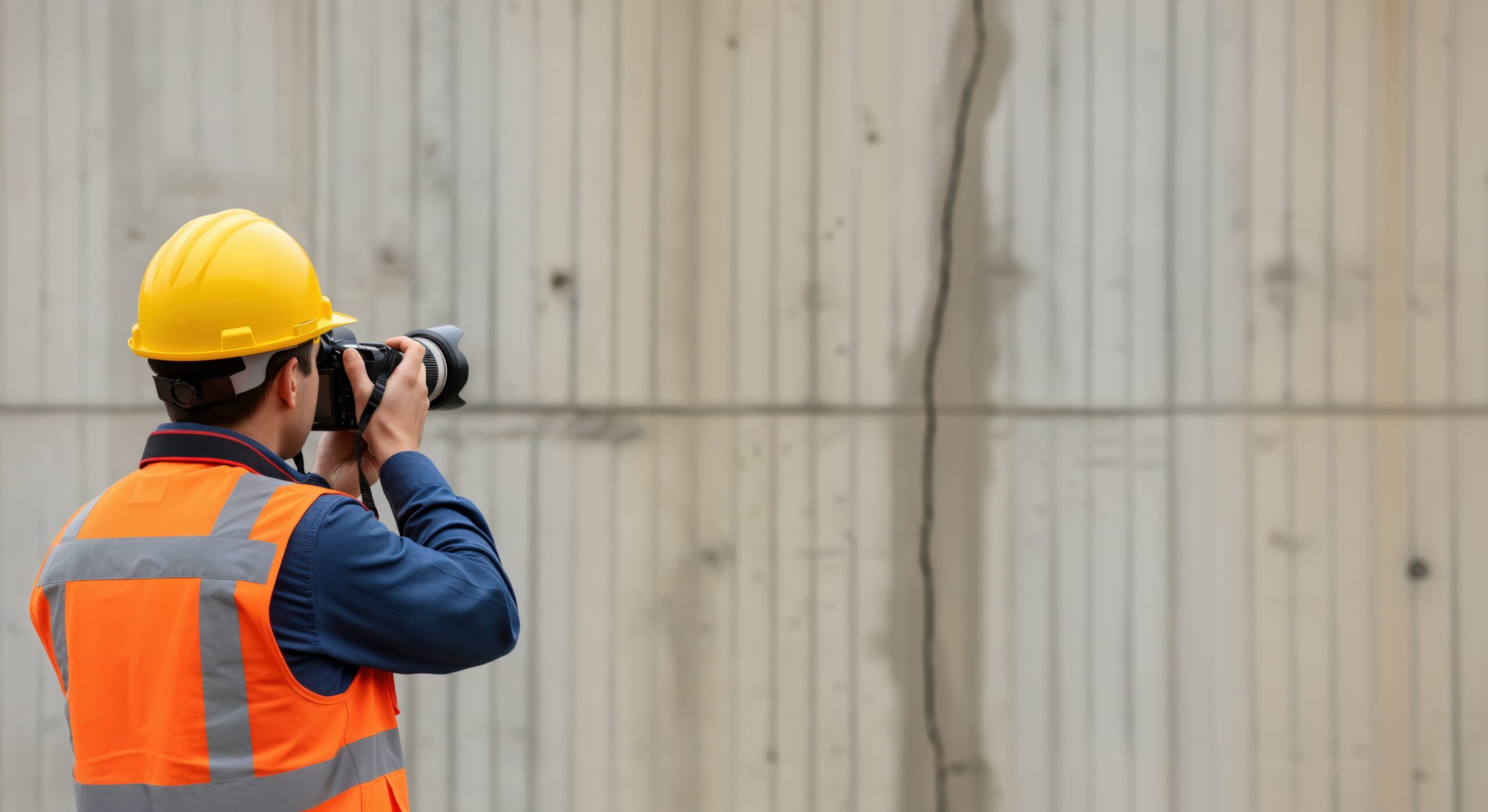
  • Engineering survey with photo documentation
  • Review of as-built documentation (when available)
  • Identification of risky or non-compliant conditions
  • Testing methods such as:
    • Ultrasonic thickness (UT)
    • Metallurgy and chemical analysis
    • Coring and load testing
    • Surface penetrating radar
  • Severity assessment and cause determination
  • Comprehensive findings report
  • Budgetary estimates for urgent repairs
  • Conceptual or detailed repair recommendations (signed/sealed as needed)
  • Visual and hands-on observations by ECS Structural Engineering staff
  • Engineering survey with photo documentation
  • Review of as-built documentation (when available)
  • Identification of risky or non-compliant conditions
  • Testing methods such as:
    • Ultrasonic thickness (UT)
    • Metallurgy and chemical analysis
    • Coring and load testing
    • Surface penetrating radar
  • Severity assessment and cause determination
  • Comprehensive findings report
  • Budgetary estimates for urgent repairs
  • Conceptual or detailed repair recommendations (signed/sealed as needed)

Specialized expertise in failure analysis + low strength concrete investigations

ECS has the expertise to assess failures across a wide range of building systems – from façade performance to weld and bolt behavior. We also perform structural investigations of concrete using ACI 214.4, ACI 228.2 and ACI 437, including Windsor probe testing, rebound hammer testing and coring.

Structural forensics + environmental concerns

In addition to structural analysis, ECS investigates building enclosure issues such as water intrusion, condensation and vapor drive, freeze/thaw damage, façade panel spalling, spontaneous glazing failures, coating breakdowns, metal corrosion and air intrusion. Our team also evaluates indoor environmental concerns tied to enclosure performance, including biological growth, odor infiltration, excessive humidity and poor indoor air quality. Our expertise in these areas provides us with information that can support analysis of issues that have structural implications.

Assessments for capital planning

ECS performs Building Condition Assessments (BCAs), also known as Property Condition Assessments (PCAs) or Facility Condition Assessments (FCAs), to support due diligence, capital planning and multi-year maintenance budgeting. These condition assessments can be delivered as stand-alone services or paired with forensic investigations for a clearer picture.

How does ECS approach forensic investigations?

How does ECS approach forensic investigations?

Our engineers go beyond surface-level assessments. We use specialized field equipment, material sampling, lab analysis and engineering software to deliver science-based evaluations that support confident decision-making.

Our engineers go beyond surface-level assessments. We use specialized field equipment, material sampling, lab analysis and engineering software to deliver science-based evaluations that support confident decision-making.

Notable Structural Forensics Projects Carried Out by ECS

  • Arlington National Cemetery, Arlington, VA
  • 7-11 Canopy Assessments, VA
  • Waterford Park Forensics, Orlando, FL
  • DMC Surgery Hospital, Madison, MI
  • Oakbrook Center, Oak Brook, IL


Notable Structural Forensics Projects Carried Out by ECS

  • Arlington National Cemetery, Arlington, VA
  • 7-11 Canopy Assessments, VA
  • Waterford Park Forensics, Orlando, FL
  • DMC Surgery Hospital, Madison, MI
  • Oakbrook Center, Oak Brook, IL


FAQ

A structural forensics study goes beyond a standard building inspection by identifying the root cause of structural or enclosure issues through testing, analysis and engineering evaluation. While inspections typically document visible conditions, forensic studies combine observations, material testing and structural analysis to support repair decisions and long-term solutions.

A structural forensics study typically includes site observations, document review, targeted testing and engineering analysis. ECS may use methods such as coring, load testing, radar scanning and laboratory analysis to determine the severity and cause of deficiencies, followed by reporting and repair recommendations to support next steps.

Structural forensics studies are typically needed when a building shows signs of distress such as cracking, corrosion, water intrusion or unexpected movement. They may also be appropriate when evaluating damage, investigating construction defects or assessing whether an existing structure can support planned modifications.